The American Museum of Natural History is a natural history museum on the Upper West Side of Manhattan in New York City. In Theodore Roosevelt Park, across the street from Central Park, the museum complex comprises 26 interconnected buildings.
Must see
Scored from our data, not ads.
Weekdays · quietest around 9a
Weekends · quietest around 9a
Estimate from the type of place and how famous it is. Holidays run busier.
The American Museum of Natural History (AMNH) is a natural history museum on the Upper West Side of Manhattan in New York City. Located in Theodore Roosevelt Park, across the street from Central Park, the museum complex comprises 21 interconnected buildings housing 45 permanent exhibition halls, in addition to a planetarium and a library. The museum collections contain about 32 million specimens of plants, animals, fungi, fossils, minerals, rocks, meteorites, human remains, and human cultural artifacts, as well as specialized collections for frozen tissue and genomic and astrophysical data, of which only a small fraction can be displayed at any given time. The museum occupies more than 2,500,000 ft2 (232,258 m2). AMNH has a full-time scientific staff of 225, sponsors over 120 special field expeditions each year, and averages about five million visits annually.
The AMNH is a private 501(c)(3) organization. The naturalist Albert S. Bickmore devised the idea for the American Museum of Natural History in 1861, and, after several years of advocacy, the museum opened within Central Park's Arsenal on May 22, 1871. The museum's first purpose-built structure in Theodore Roosevelt Park was designed...
Text from Wikipedia: American Museum of Natural History, CC BY-SA 4.0.
Official programs from the National Park Service. Details and sign-up on nps.gov.
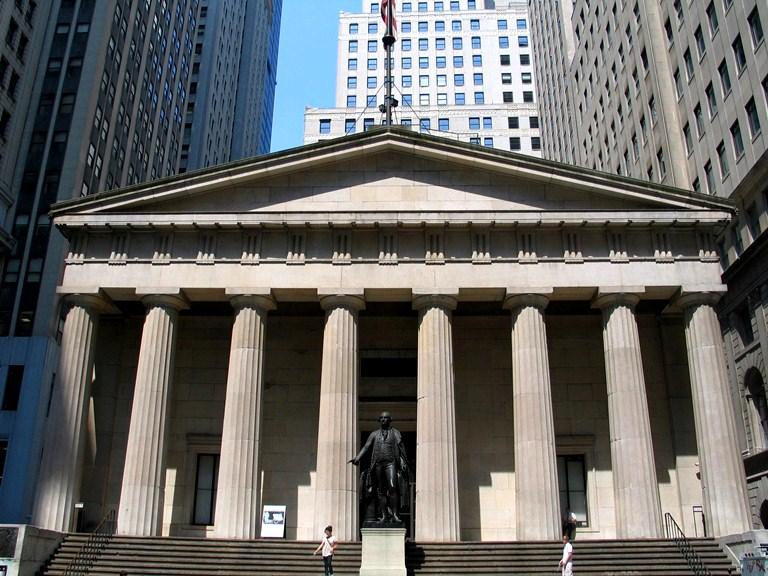 Free
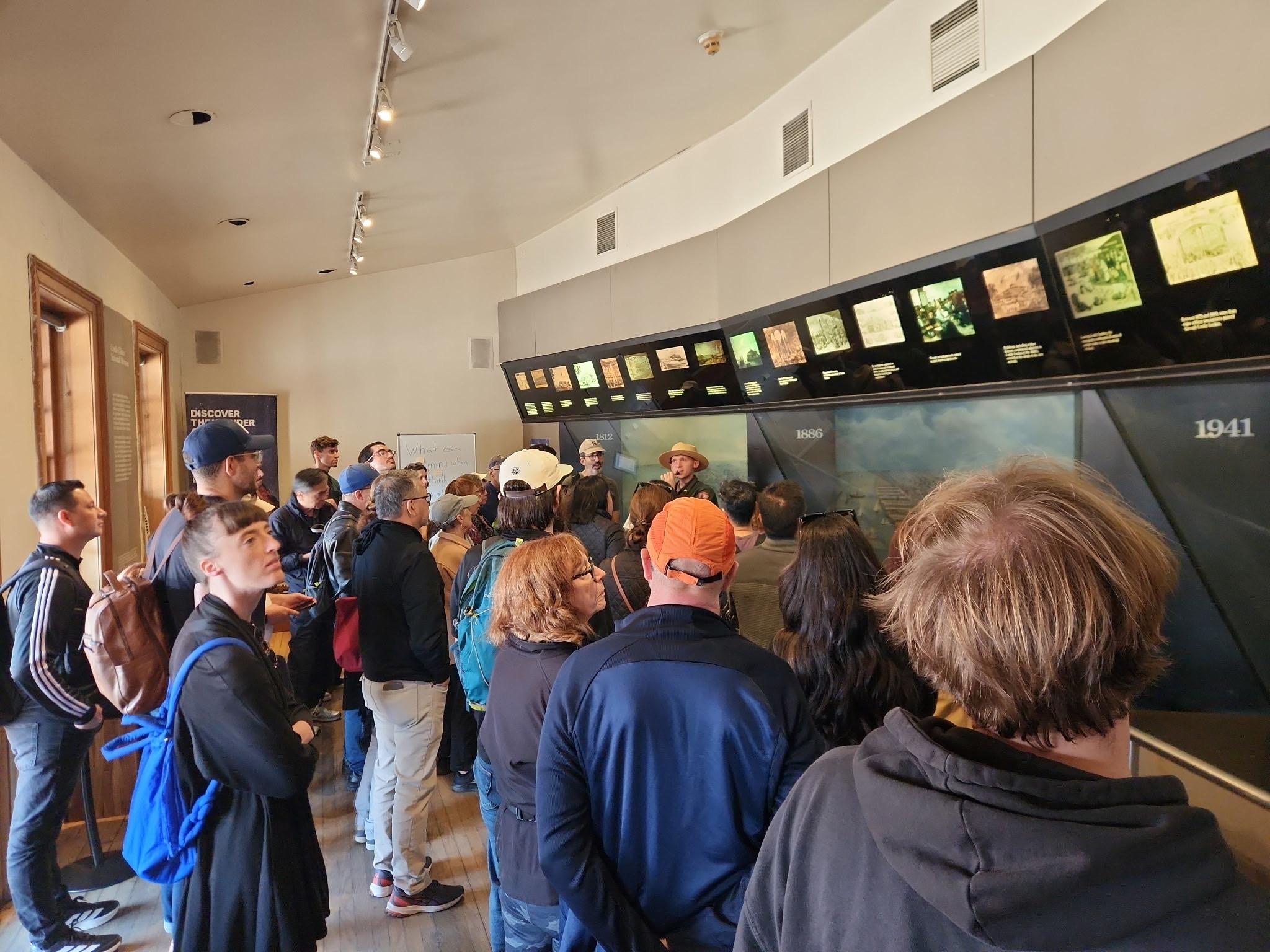 Free
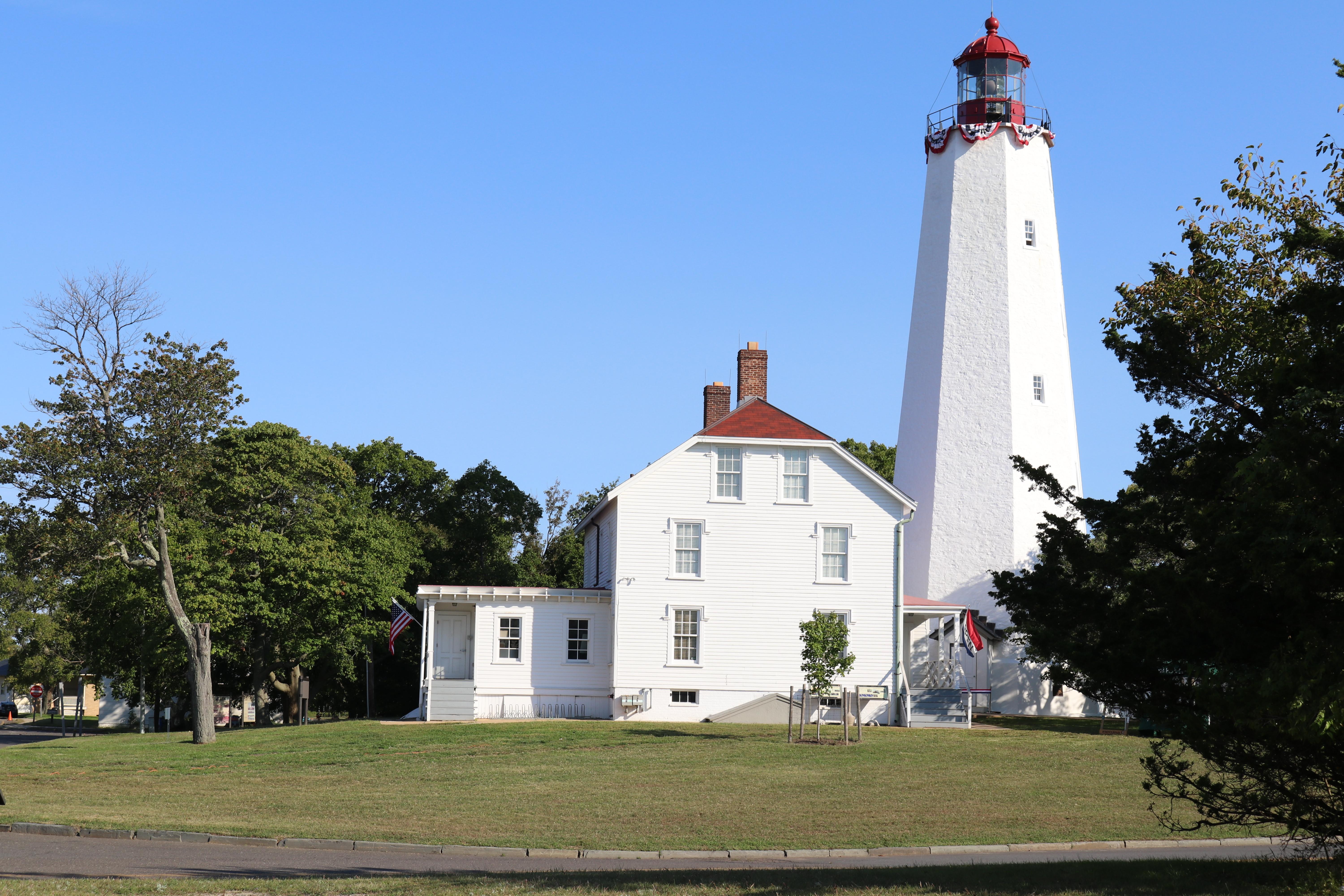 Free
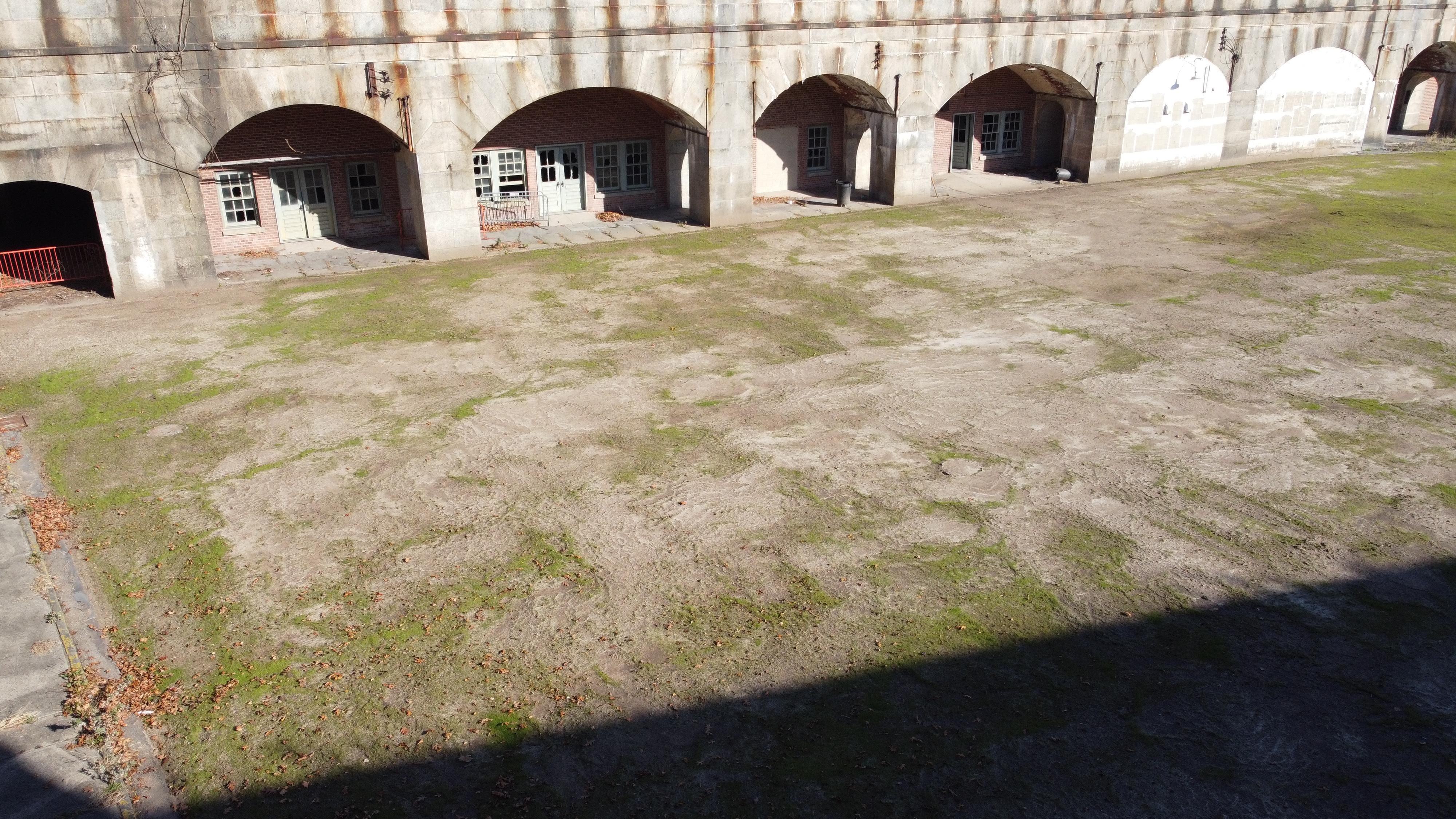 Free
 Free
 Free
Been to American Museum of Natural History? Rate it and share the best time, where to park, what to skip.