If you're nearby
Scored from our data, not ads.
Weekdays · quietest around 8a
Weekends · quietest around 8p
Estimate from the type of place and how famous it is. Holidays run busier.
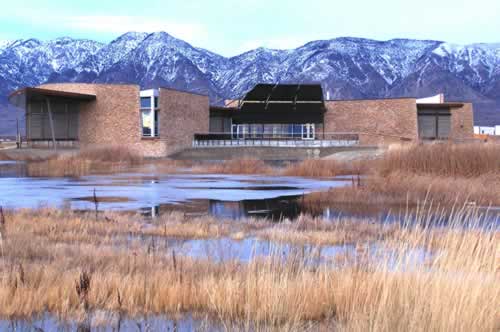
Bear River Migratory Bird Refuge is a 74,000-acre (299 km2) National Wildlife Refuge in Utah, established in 1928. The refuge is part of a national system of fee ownership lands purchased from willing sellers, mostly private property owners.
Geography
The refuge encompasses the Bear River and its delta where it flows into the northern part of the Great Salt Lake in eastern Box Elder County. It includes a variety of habitats, such as open water, mudflats, wetlands, and uplands. The refuge hosts millions of migratory birds each year including species such as bald eagle and tundra swan. There are more than 41,000 acres (170 km2) of freshwater wetlands. The Refuge is approx. 80,000 acres of Federal and State lands that are managed by the U.S. Fish and Wildlife Service. The surrounding lands are occupied by multiple hunting clubs along the bird migration route.
Starting in 1983, rising floodwaters from the Great Salt Lake severely impacted the refuge. The flooding of the refuge is at the center of Terry Tempest Williams's noted nonfiction book, Refuge: An Unnatural History of Family and Place. In 2006, a new wildlife education center off Interstate 15 opened to attract visitors once...
Text from Wikipedia: Bear River Migratory Bird Refuge, CC BY-SA 4.0.
Guided tours, tickets and experiences from our partners.
Been to Bear River Migratory Bird Refuge? Rate it and share the best time, where to park, what to skip.