Worth it
Scored from our data, not ads.
Weekdays · quietest around 8a
Weekends · quietest around 8p
Estimate from the type of place and how famous it is. Holidays run busier.
The Weeping Beech was a historic tree located at Weeping Beech Park in Flushing, Queens, New York City. It was the mother of all European weeping beeches in the United States. The Weeping Beech was imported by horticulturalist Samuel Parsons Sr. in 1846 and planted in 1847. It was designated a living New York City Landmark in 1966, one of two trees in New York City to have received that designation, and was placed on the National Register of Historic Places in 1972 along with the adjacent Kingsland Homestead. The Weeping Beech was partially removed in 1998.
The region around the Weeping Beech, called Weeping Beech Park, contains a playground, the Kingsland Homestead, the John Bowne House, and several other historically significant trees.
History and description
Samuel Bowne Parsons Sr., father of Samuel Parsons purchased the cutting that produced the Weeping Beech while travelling in Belgium in 1846. The tree was on the estate of Baron DeMann in Beersal, Belgium, and transplanted to Flushing in 1847. Parsons also created a nursery in Queens in 1868. The nursery was later transported to Kissena Park, where it became a keystone of Flushing's horticultural industry until its closing...
Text from Wikipedia: Weeping Beech (Queens), CC BY-SA 4.0.
Official programs from the National Park Service. Details and sign-up on nps.gov.
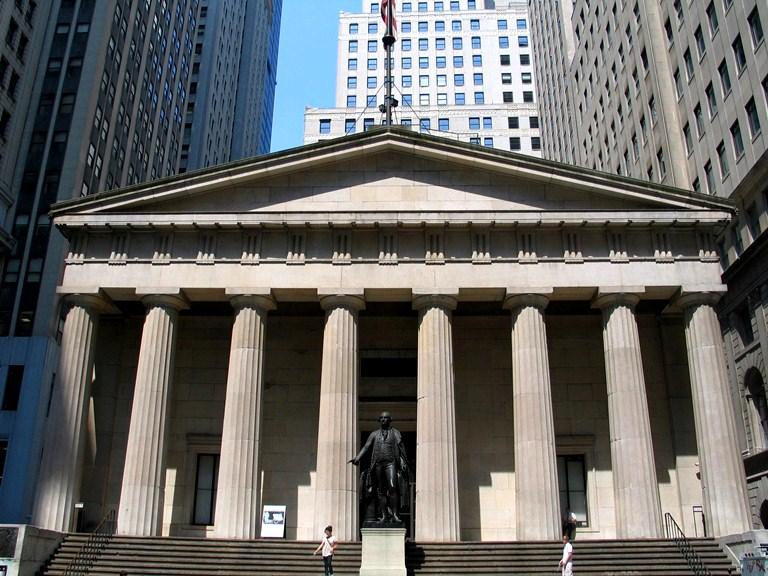 Free
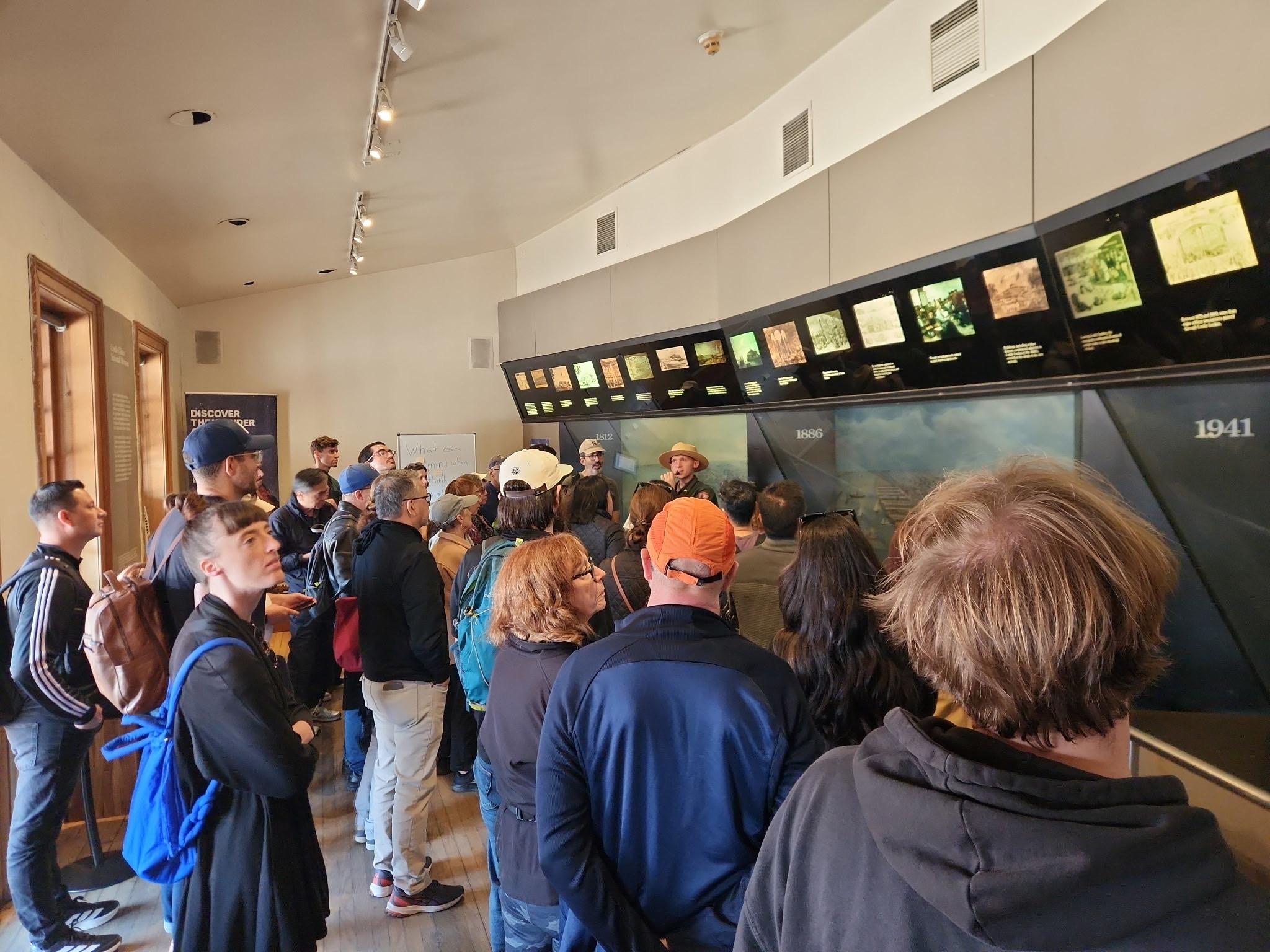 Free
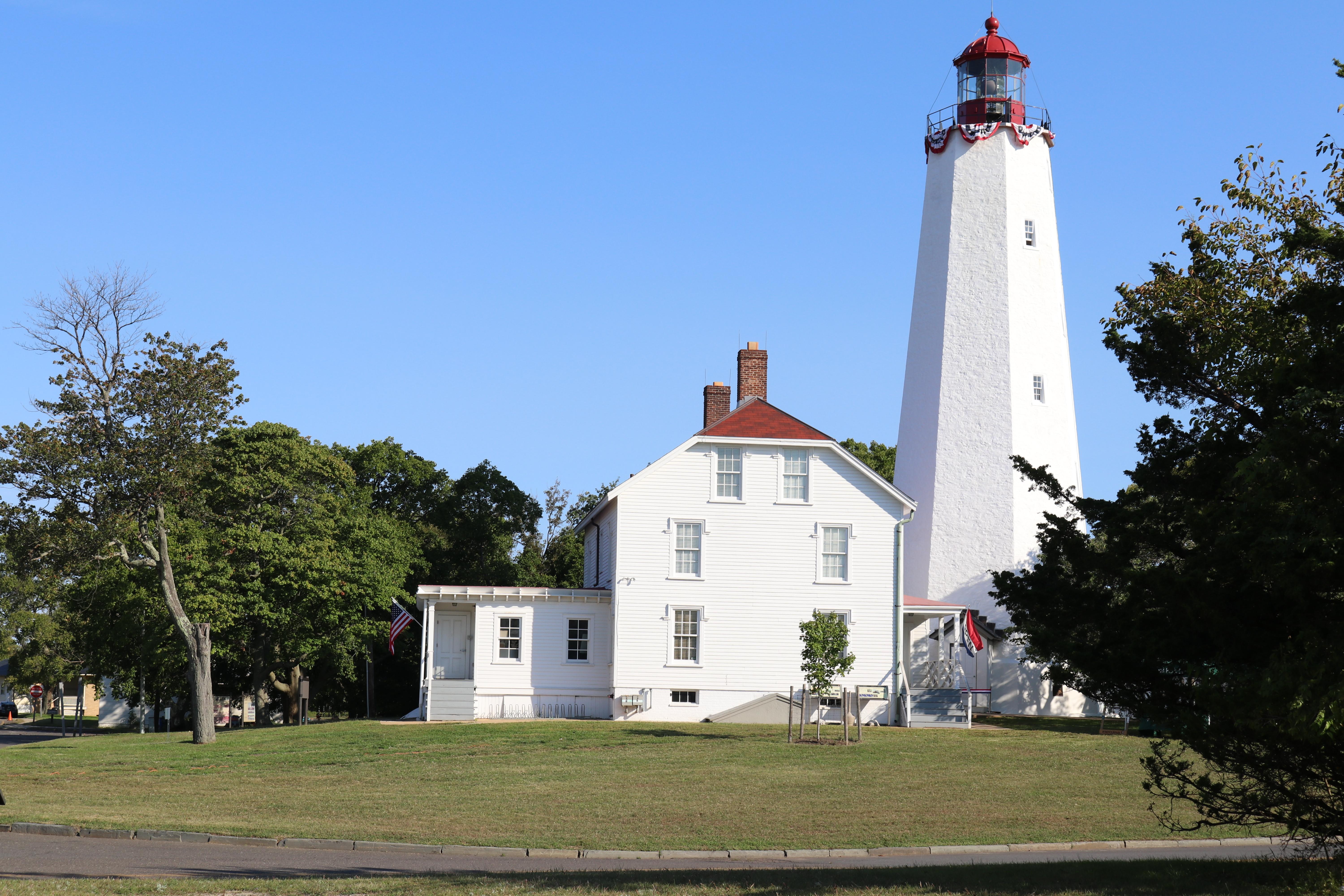 Free
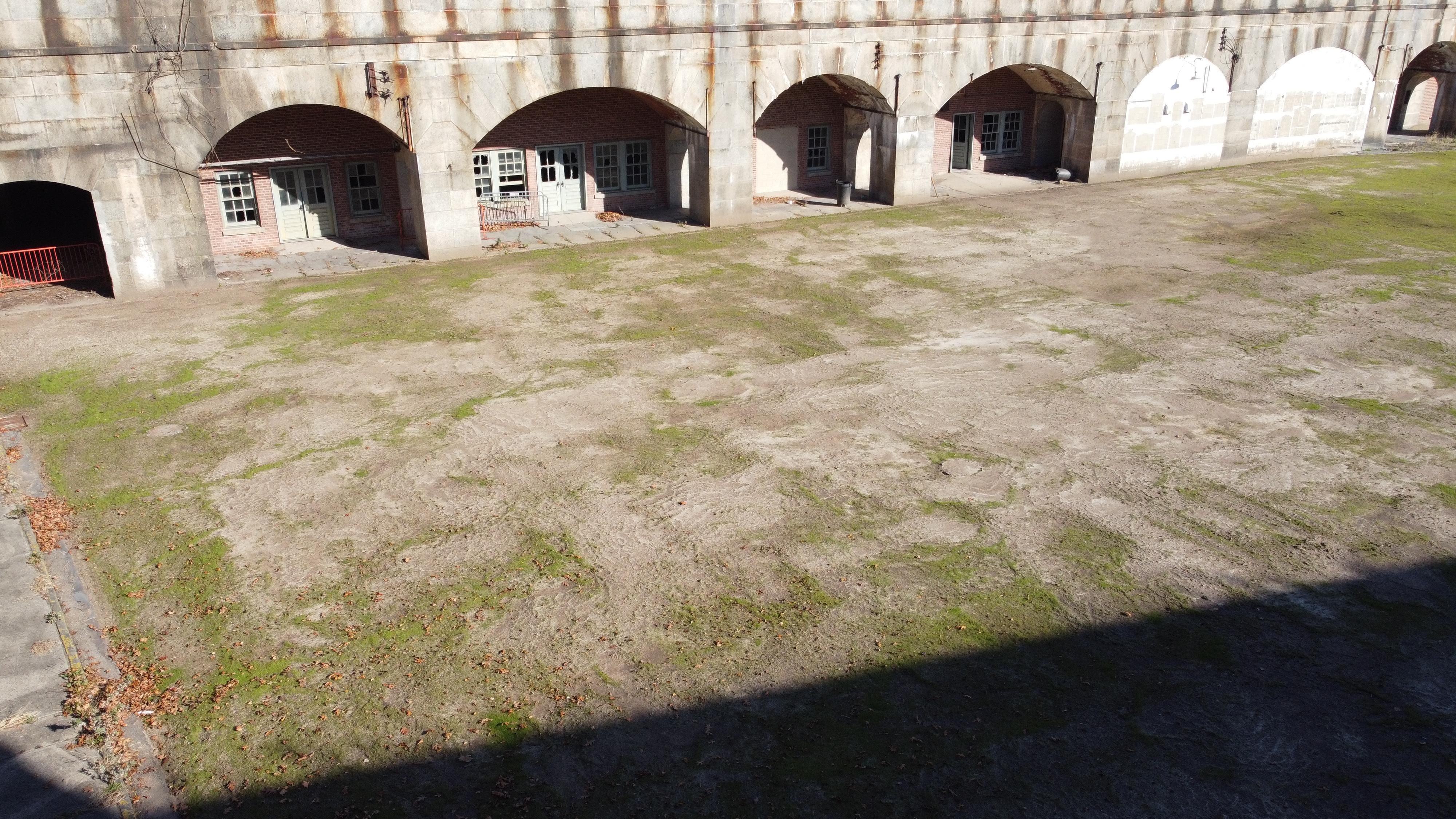 Free
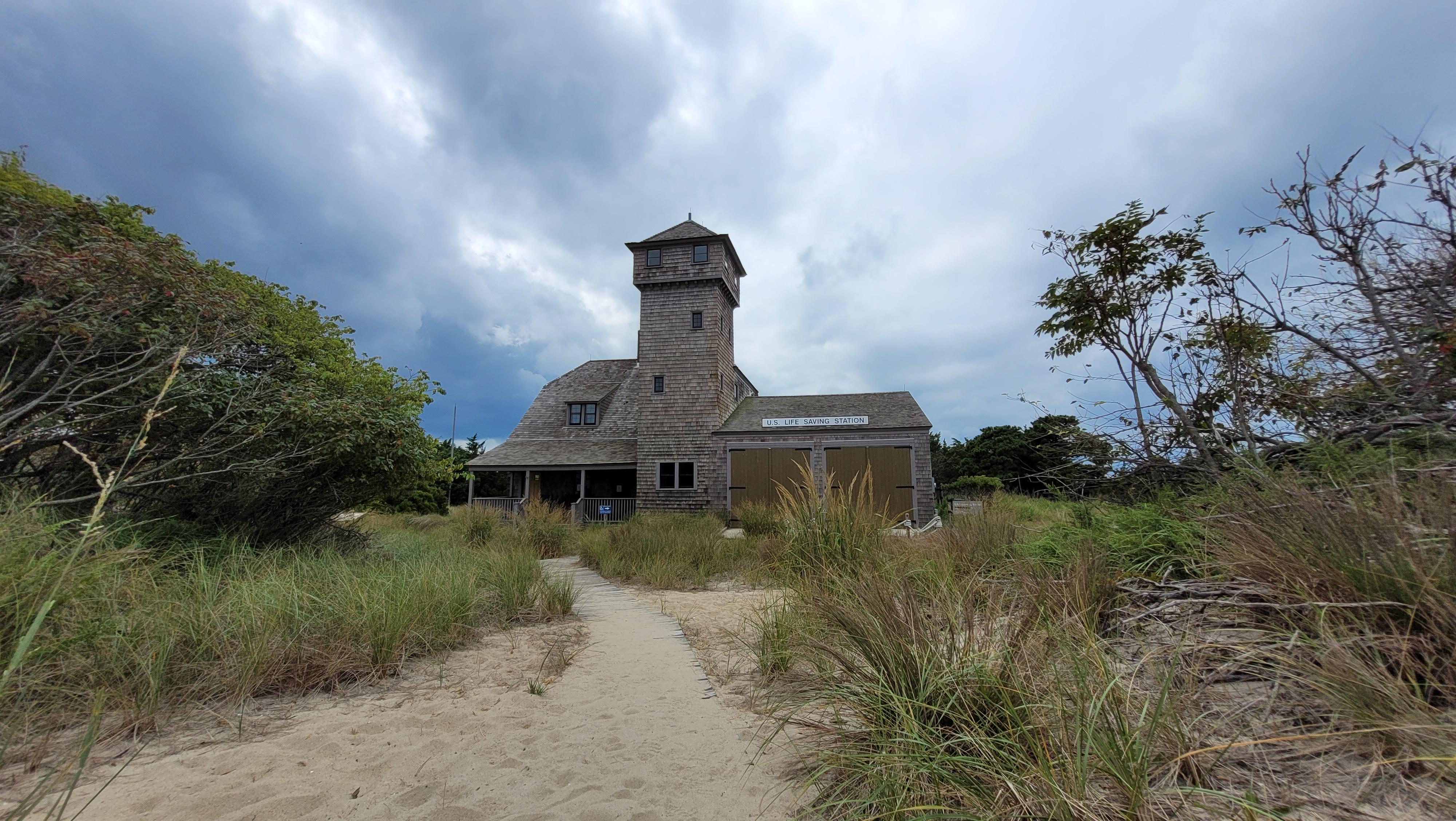 Free
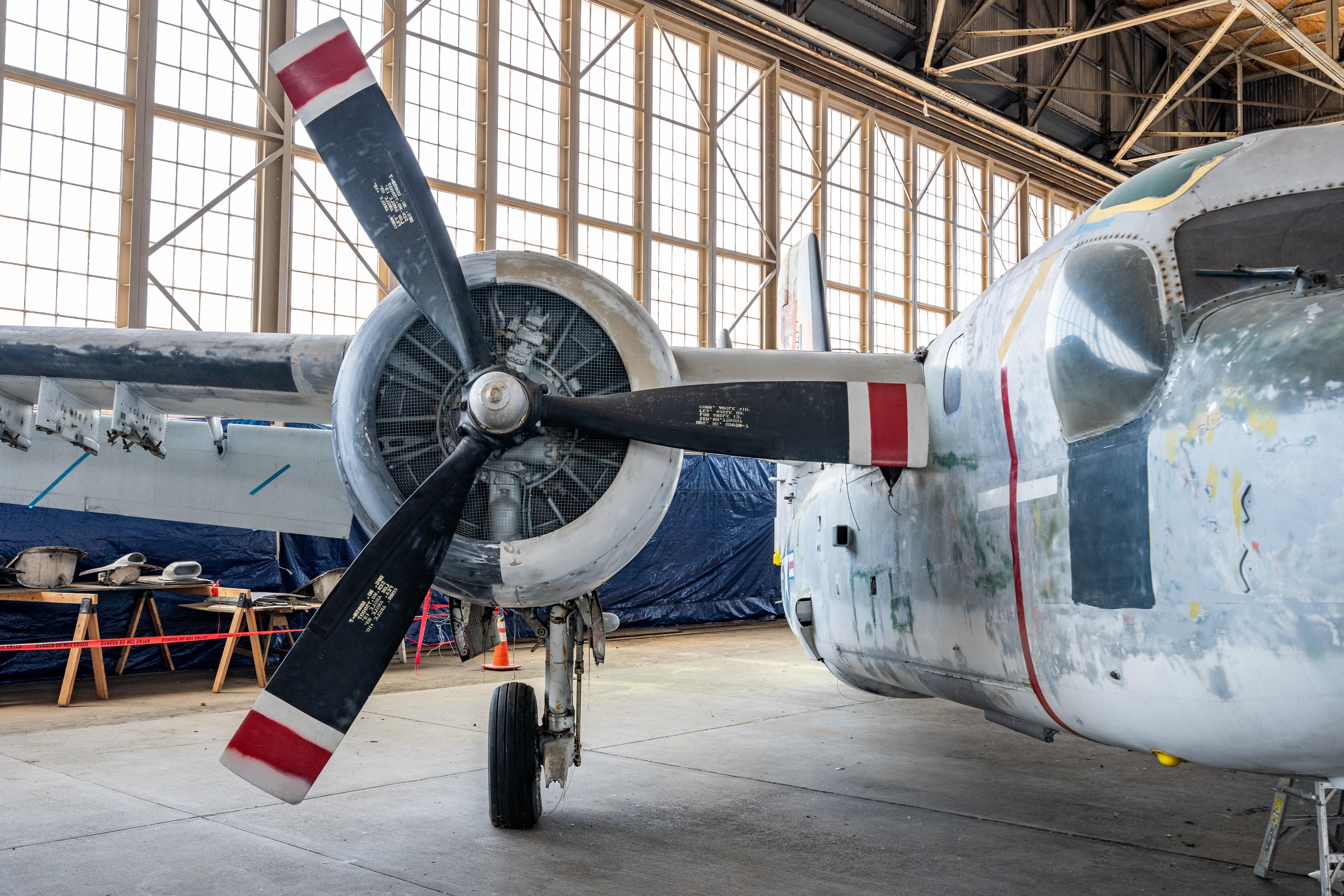 Free
Been to Margaret I. Carman Green - Weeping Beech? Rate it and share the best time, where to park, what to skip.